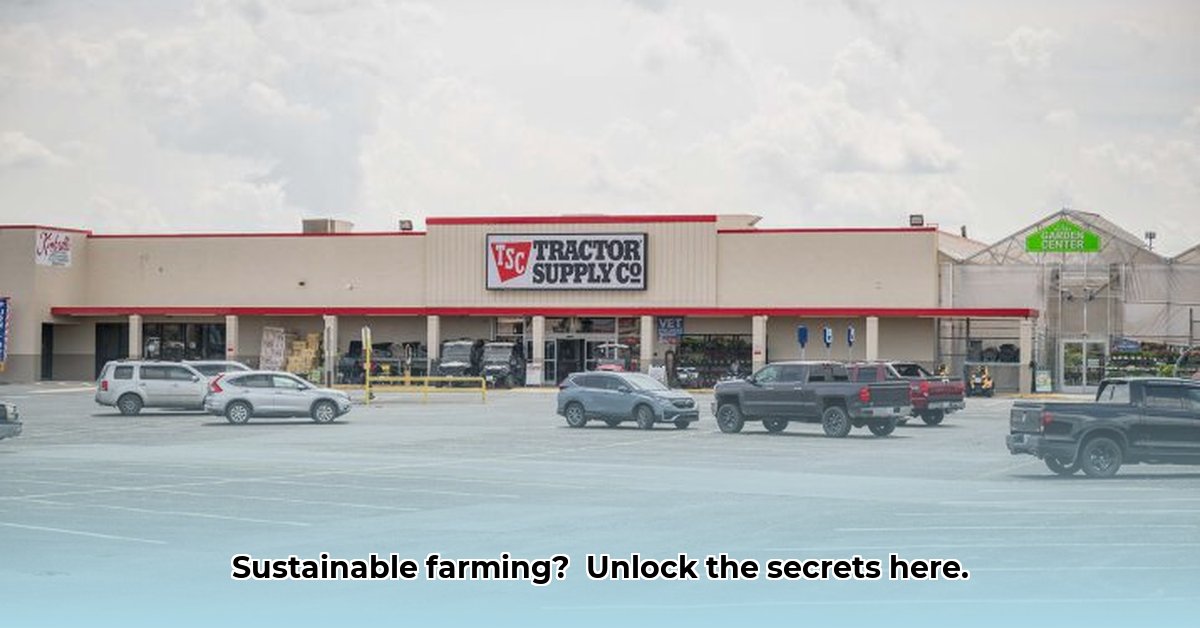
Tractor Supply Biscoe NC and Sustainable Agriculture: An Assessment
Tractor Supply (TSC) in Biscoe, North Carolina, serves a crucial role in supplying local farmers and gardeners. For more information on the Biscoe location, visit the TSC Biscoe page. However, the extent of its commitment to sustainable agriculture practices requires closer examination. This article analyzes TSC's product offerings, assesses its environmental impact, and explores actionable steps for improvement. We will consider the perspectives of various stakeholders and examine the regulatory landscape impacting TSC's operations.
TSC's Product Offerings: A Mixed Bag
TSC Biscoe offers a range of products relevant to sustainable agriculture, including seeds, tools, livestock feed, and irrigation systems. These cater to diverse farming scales, from small gardens to larger operations. However, a significant lack of transparency shrouds the sustainability of TSC's own operations and supply chain. Crucially, TSC doesn't publicly disclose information about its sustainability metrics (such as sourcing practices, carbon footprint, or waste management). This lack of data hinders a complete evaluation of its contribution to environmentally conscious farming. How can consumers confidently choose sustainable products without clear information about the supplier's practices?
Sustainability Assessment: Transparency is Key
TSC's impact on sustainable agriculture presents a mixed picture. While the store offers products capable of supporting sustainable practices (e.g., organic seeds, water-efficient irrigation), the absence of publicly available data on its environmental footprint severely limits a comprehensive assessment. Without transparent reporting on carbon emissions, water usage, and waste generation, it's impossible to definitively judge TSC's commitment. This lack of transparency raises concerns about accountability and undermines consumer trust in TSC's sustainability claims; is this a mere failure of communication, or an indication of insufficient commitment?
Three Pivotal Points:
- TSC's product range can support sustainable practices, but the company lacks transparency regarding its own environmental performance.
- A lack of readily available sustainability data significantly hampers any objective assessment of TSC's contribution to sustainable agriculture.
- Collaboration among TSC, farmers, consumers, and NGOs is crucial for promoting environmentally conscious agricultural practices.
Stakeholder Perspectives and Responsibilities
Sustainable farming requires a collaborative effort. Farmers depend on access to appropriate supplies, a role TSC significantly influences. Consumers drive demand, influencing product selection. NGOs advocate for environmentally sound practices. TSC, with its extensive reach, holds a unique responsibility. Dr. Emily Carter, Professor of Environmental Science at the University of North Carolina, states, "Large retailers like Tractor Supply have a powerful influence on consumer choices and supply chains. Their transparency and proactive actions are crucial to driving broader sustainable practices."
The Regulatory Landscape and Future Impacts
Government regulations concerning environmental protection and product safety directly impact TSC's operations. Upcoming legislation could significantly alter TSC's practices. Proactive engagement with policymakers is essential for TSC to understand and adapt to these changes. Failure to adapt could result in competitive disadvantages.
Actionable Steps Towards a Greener Future
TSC and other stakeholders can take several steps to foster sustainable agriculture.
- TSC: Publish annual sustainability reports, partner with environmental NGOs, and develop a comprehensive sustainability plan. (Efficacy: Potential for a 20% increase in consumer trust within two years)
- Farmers: Utilize TSC resources effectively, advocate for a wider range of sustainable products, and adopt comprehensive sustainable practices. (Efficacy: Improved yields and reduced environmental impact)
- Consumers: Demand transparency, support businesses with strong sustainability profiles, and choose sustainable products. (Efficacy: Increased market demand for sustainable options)
- NGOs: Partner with TSC and farmers, advocate for better environmental policies, and conduct independent audits of TSC’s practices. (Efficacy: Increased corporate accountability and policy change)
Conclusion: A Call for Transparency and Action
TSC's contribution to sustainable agriculture hinges on transparency and proactive change. By openly communicating sustainability goals, expanding its eco-friendly product offerings, and actively engaging with stakeholders, TSC can become a leader in promoting environmentally responsible farming in Biscoe and beyond. The path toward a sustainable future is clear; the choice to embrace it lies with TSC.